
Solutions for Conservation at Scale
Conservation work depends on good evidence, reliable systems, and people who know how to use them. We help conservation organisations monitor landscapes, manage field operations, maintain their geospatial systems, and communicate what they are achieving.
Our work ranges from individual analyses and field workflows to geospatial systems used across multiple landscapes and countries.
Our Services
Landscape Monitoring & Decision Support
-
We combine satellite imagery, field data, and spatial analysis to answer important questions about how landscapes are changing, where threats are emerging, and where conservation action needed most.
Rigorous science underpins every output, but the work does not end with a technical report. We make the results available through clear maps, dashboards, and hub sites that managers and field teams can use in their day-to-day work.
This includes land-cover mapping, deforestation and encroachment monitoring, habitat-change detection, wildlife corridor and connectivity analysis, interactive dashboards and hub sites, and regular landscape reporting.
ArcGIS-Powered Field-to-Insight Workflows
-
We build ArcGIS systems that connect field activities with mapping, analysis, operational oversight, and reporting
Each system can contain one or more connected workflows based on how teams operate in the field. Mobile applications allow personnel to collect consistent, location-based information online or offline. Maps, dashboards, alerts, and reports then help managers track activities, coordinate responses, and use the information being collected. Organisations can begin with a single workflow and add others as their needs develop. Workflows can support ecological monitoring, patrols and law enforcement, wildlife observations, human-wildlife conflict, infrastructure inspections and maintenance, community engagement, restoration work, incident reporting, and other protected-area operations.

MRV for Carbon and Biodiversity Credits
-
We provide the spatial data and analysis carbon and biodiversity credit projects depend on by measuring, reporting, and verifying outcomes within frameworks like Verra and the CCB Standards. Our work spans established carbon markets and the emerging biodiversity credit market.
This includes carbon stock and land-use change monitoring, biodiversity outcome tracking, risk and baseline assessment, and MRV reporting aligned with climate and nature-based solution frameworks.
Scientific Support
-
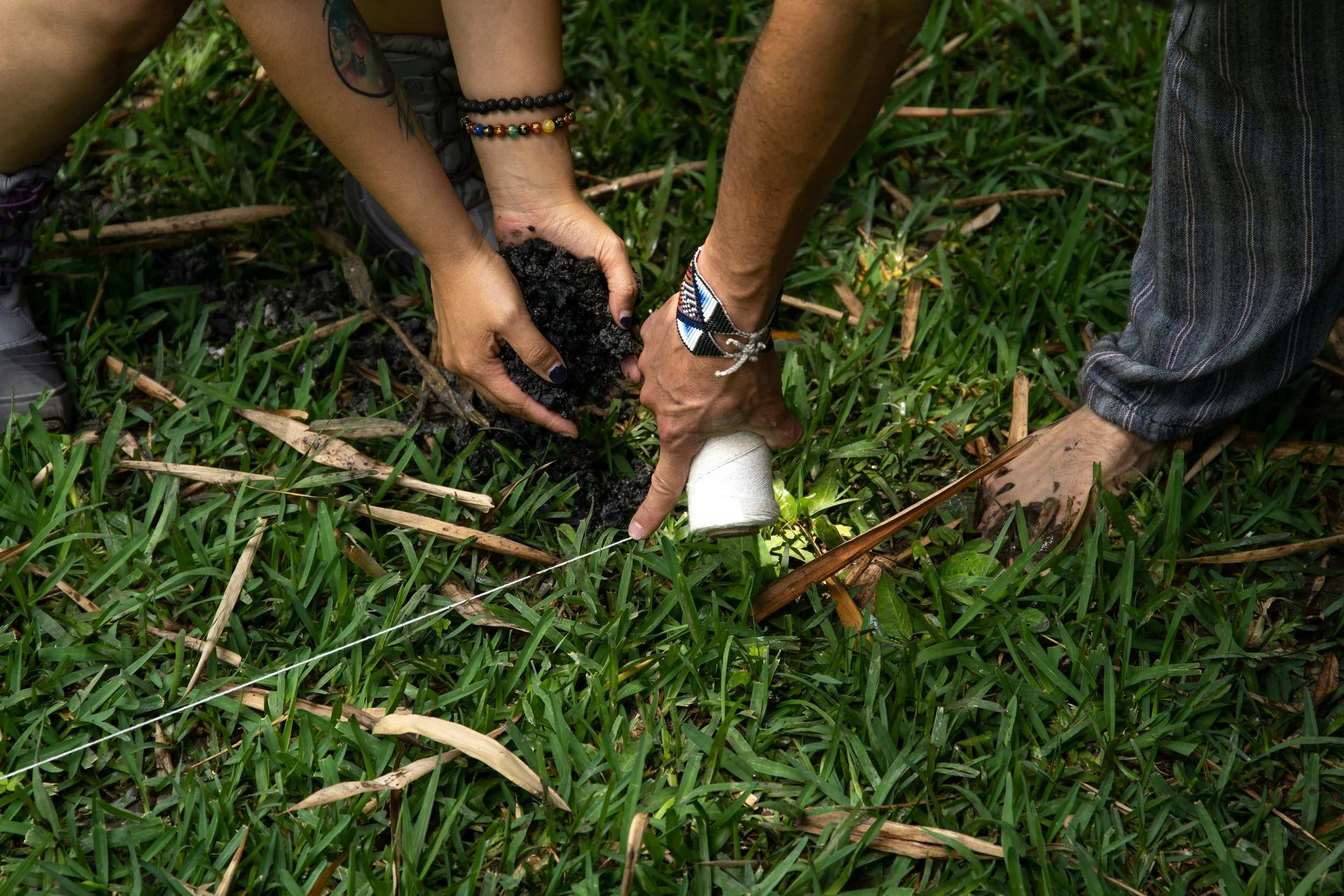
We provide the science behind the data. Our research is shaped around the species, landscape, management question, or conservation problem a partner needs to address.
We can support the full process, from research questions and study design to field methods, analysis, interpretation, reporting, and publication. The aim is to produce scientifically sound evidence that can inform real management decisions.
This includes species and habitat research, fire and disturbance ecology, land-cover and deforestation analysis, biodiversity assessments, carbon and biomass modelling, research design, statistical and spatial analysis, and other applied ecological research.
Managed Geospatial Systems and Strategy
-
Many conservation organisations rely on ArcGIS but do not have a specialist GIS administrator or enterprise architect on staff. MAPSS provides this expertise as an extension of the organisation’s team.
We help organisations maintain and improve their existing ArcGIS Online and ArcGIS Enterprise systems. This includes reviewing system architecture, strengthening security, managing upgrades and patches, monitoring system health, resolving technical problems, improving data and content management, and planning for future needs.
Support can range from assistance with a specific technical issue to the ongoing management of an organisation’s geospatial infrastructure. We also help establish clear standards, responsibilities, and maintenance plans so that systems remain secure, reliable, and manageable.
This includes ArcGIS administration, system audits, architecture reviews, security hardening, upgrades and patches, user and licence management, data and content governance, application maintenance, backup and disaster-recovery planning, troubleshooting, migrations, and long-term geospatial planning.
Conservation Storytelling
-
Impact reporting, story maps, public-facing dashboards, donor reporting, board-ready summaries, and spatial narratives that make complex work understandable.
Wildfire Monitoring
-
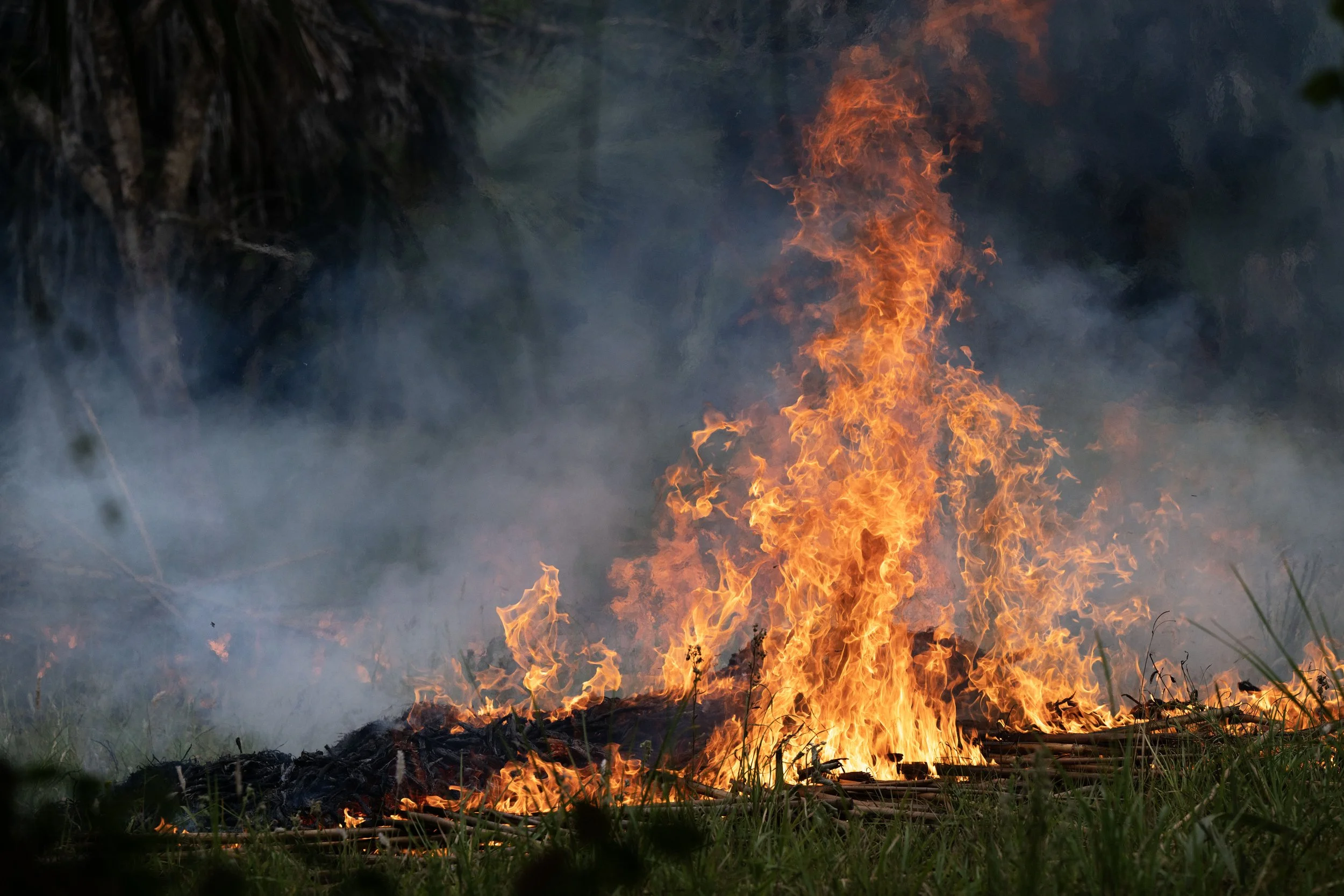
We monitor current fires, map burnt areas and analyse long-term fire patterns to help organisations understand when and where fires occur, what has been affected, and how fire regimes are changing.
Our fire-monitoring systems are designed around the needs of each landscape. Information can be provided through dashboards, hub sites, reports, alerts, and mobile applications for use by managers, researchers, and field teams.
This includes active-fire monitoring, high-resolution burn-scar mapping, fire-danger and risk assessment, fire-return interval and seasonality analysis, historical trend analysis, impact assessment, and wildfire monitoring for carbon and other nature-based projects.
MAPSS Connect
-
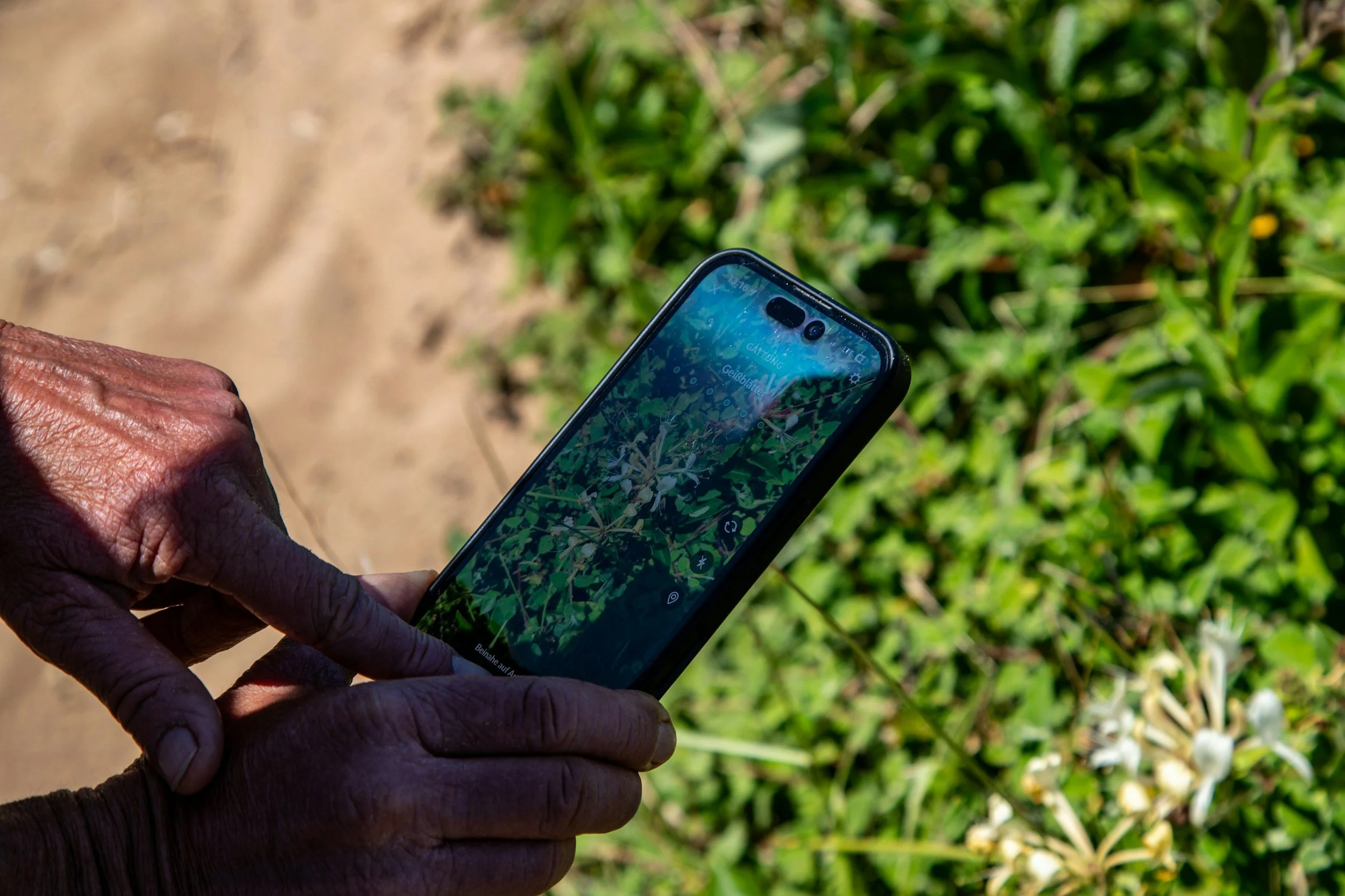
MAPSS Connect is our data integration service. It brings information from tracking devices, sensors, APIs, databases, and third-party platforms with ArcGIS, bringing previously separate data streams into one reliable geospatial environment.
Whether the data comes from wildlife collars, radios, environmental sensors, Earth observation services, or an existing software platform, MAPSS Connect can automate how it is received, checked, standardised, and updated. Once integrated, the information can be mapped, analysed, displayed in dashboards, added to operational workflows, and used to trigger alerts.
This includes device and sensor integration, API and database connections, third-party platform integration, automated data pipelines, near-real-time data feeds, alerts, and custom ArcGIS applications and dashboards.
Training and Capacity Building
-
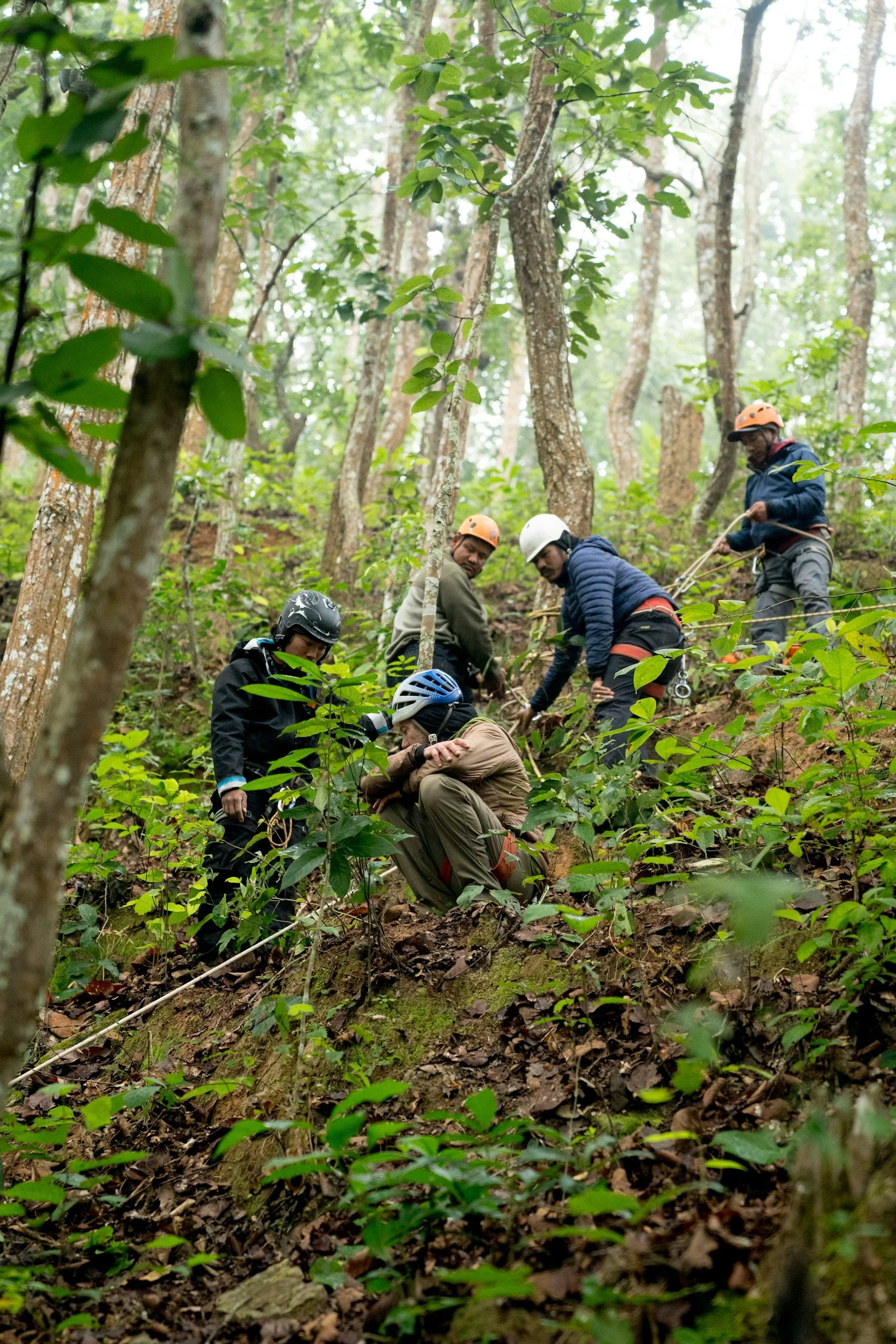
Building the system is only half the job — we make sure your team can run it with confidence. This means hands-on ArcGIS training, ongoing technical support, and tailored guidance to help teams build lasting geospatial skills.
This includes ArcGIS software training, workflow and application training, ongoing remote and on-site support, and long-term capacity building for conservation and GIS teams.